« back

07.04.2009Krakow Districts

Krakow Districts

Since 1991 Krakow is divided into 18 districts (Polish 'dzielnice'), each of them bearing a roman number and a name. The names of the Krakow districts usually derive from the names of once separate towns or villages that used to surround the Krakow Old Town – such is the case of Zwierzyniec, Bronowice or Nowa Huta. Each of the districts has its own authorities, a 21-person council that is charged with rather minor tasks such as the establishment and taking care of Krakow parks or school building renovations.

Many Krakow inhabitants haven't got used to the new names of the Krakow districts, and still use the older district names that date back to 1973. Then, Krakow consisted of four districts: Srodmiescie (Downtown), Nowa Huta, Podgorze and Kleparz. Of course, the new Krakow districts are much smaller than the traditional ones, so when the older Krakow residents speak of, say, Nowa Huta, they might mean the steelworks itself, or the terrains of today's Bienczyce, Czyzyny or Mistrzejowice.

And, in case you wondered: the Krakow districts don't include a red light district.

Dzielnica I (1st District) – Stare Miasto (Old Town)

Slightly larger than the Krakow Old Town confined inside the Planty Park, this district also includes the area of Kazimierz and the Wawel Castle, thus encompassing virtually everything a regular Krakow visitor should see. Click here to book a tour of the Krakow Old Town.

Dzielnica III (3rd District) – Pradnik Czerwony

Dzielnica IV (4th District) – Pradnik Bialy

Dzielnica V (5th District) – Krowodrza

Dzielnica VI (6th District) – Bronowice

One of the villages around Krakow that became a part of Krakow in early 20th century. Bronowice are famous for being the place where Stanislaw Wyspianski's Wesele, one of the most important plays in Polish history, takes place.
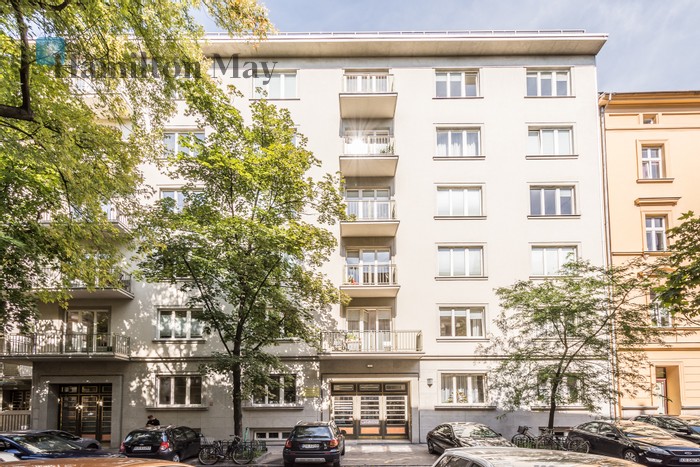
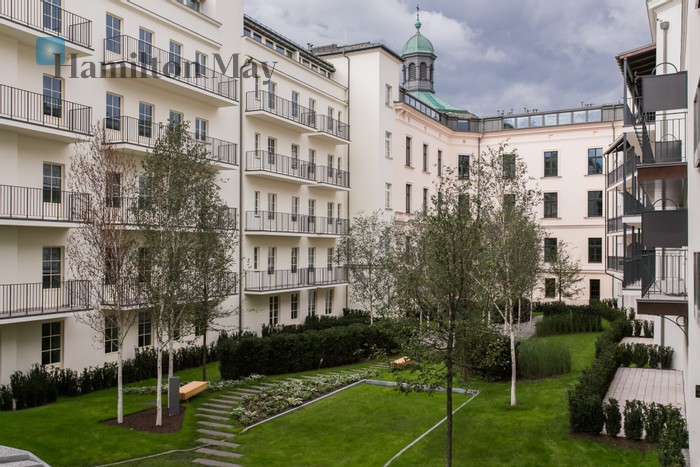
Dzielnica VII (7thDistrict) – Zwierzyniec

Dzielnica VIII (8th District) – Debniki

Dzielnica IX (9th District) – Lagiewniki-Borek Falecki

The Lagiewniki Sanctuary of Divine Mercy, and the congregation in which st. Faustyna Kowalska used to live, are in this district. A popular pilgrimage place, visited two times by John Paul II.

Dzielnica X (10th District) – Swoszowice

Dzielnica XI (11th District) – Podgorze Duchackie

Dzielnica XII (12th District) – Biezanow-Prokocim

Dzielnica XII (12th District) – Podgorze 

Situated on the right bank of the Vistula River, today's Podgorze is a part of a bigger, historic district that was once a separate town. During World War II, the Krakow Ghetto was situated in this district, and until now one can visit the Apteka 'Pod Orlem' ('Under the Eagle' Pharmacy), a place of resistance turned museum with the aid of Steven Spielberg himself. The Krakus Mound and the Lagiewniki Sanctuary are also within the old Podgorze.

Dzielnica XIV (14th District) – Czyzyny

Dzielnica XV (15th District) – Mistrzejowice

Dzielnica XVI (16th District) – Bienczyce

Dzielnica XVII (17th District) – Wzgorza Krzeslawickie

Dzielnica XVIII (18th District) – Nowa Huta

Stalin's dream communist city became a Krakow district in 1951. As is the case with Podgorze, the historical town of Nowa Huta is in fact larger than the district itself and included what is now districts no. 14, 15, 16, 17 and 18.